
Grafil MBR Membrane Dealers in India
Submerged PolyNorbit hollow fibre MBR membranes for STP and ETP plants that need clear, reusable treated water.
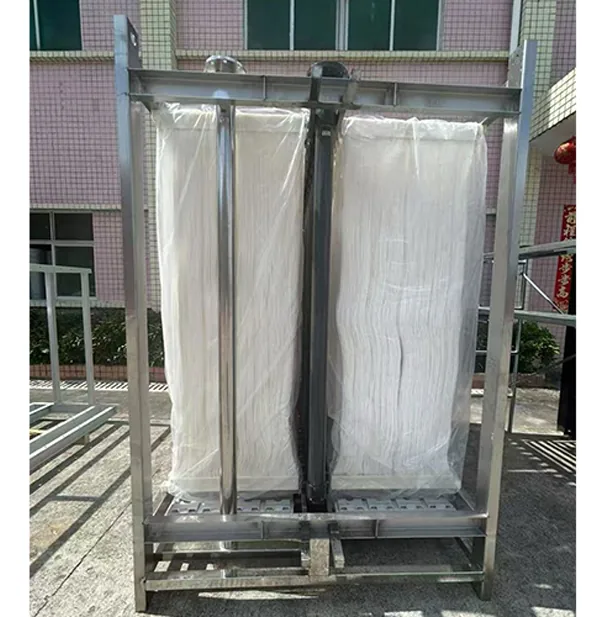
Grafil MBR Membrane

The GRAFiL Membrane Bioreactor (MBR) is a cutting-edge filtration technology that combines biological treatment with membrane filtration to achieve superior water treatment performance. These membranes are designed to efficiently remove suspended solids, bacteria, viruses, and other contaminants, providing high-quality effluent.
The GRAFiL MBR membranes feature hollow-fiber technology, offering enhanced filtration efficiency and extended operational life. The system uses a biological process to break down organic matter, followed by membrane filtration to separate solids from treated water. This dual-stage process ensures exceptional effluent quality, making it ideal for wastewater treatment plants and industrial applications requiring stringent water quality standards. With low energy consumption and minimal chemical use, GRAFiL MBR membranes provide an environmentally friendly and cost-effective solution. They are durable and designed to operate under varying conditions, offering reliable, long-term performance for municipal and industrial water treatment systems. The GRAFiL MBR technology is a sustainable and efficient solution for modern water treatment needs.
Benefits For Grafil MBR Membrane
- Superior filtration efficiency.
- Long-lasting performance.
- Reduced energy consumption.
- Minimal fouling, leading to lower maintenance.
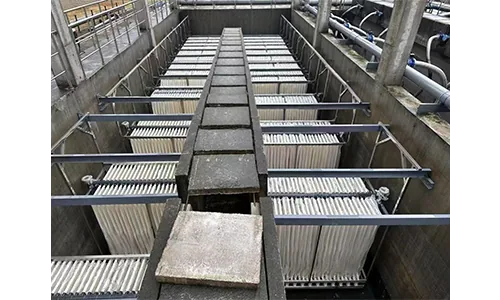

Key Features of Grafil MBR
- Membrane material: PolyNorbit-based hollow fibre with permanent hydrophilicity.
- Pore size: 0.04 micron, with lower feed pressure.
- Compact design: Efficient modules for industrial and municipal wastewater.
- Reinforced fibres: Resistant to fouling.
- Temperature: Can operate up to 39 °C, as long as your biological design supports it.
- Low fouling: The highly hydrophilic fibre keeps fouling low.
- Strength: Grafil states the fibres do not break under a 15 kg load.
- Service life: 5 to 10 years, depending on treatment conditions.
Other MBR Membrane Brands
 Quamem MBR Membrane
Enquire Now

Specifications & pricing last verified: 03 Jul 2026